

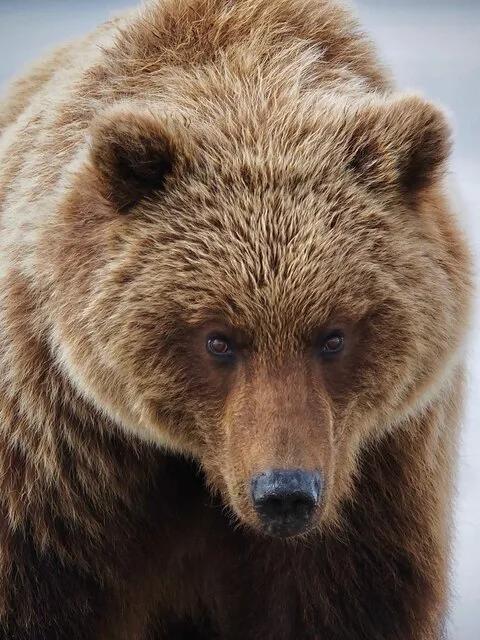
Alaska Bear Viewing
Bear viewing in Alaska is a memorable wildlife experience. Visitors can observe coastal brown bears and interior grizzlies feeding, traveling, playing, resting, and caring for their cubs in expansive natural habitats.
Depending on the destination, Alaska bear viewing trips may involve traveling by small plane, boat, or on foot with an experienced guide. Some locations have elevated platforms, while others offer ground-level viewing from carefully selected areas.
At Katmai National Park and Preserve, established platforms provide clear views of brown bears fishing near Brooks Falls. Visitors may see bears competing for productive fishing positions, interacting with one another, or waiting patiently for salmon.
Ground-level viewing is available in certain parts of Alaska, but it should never be treated as an opportunity to approach a bear. Visitors must follow their guide’s instructions, use designated viewing areas, and allow bears to move freely without being surrounded or displaced.
What Is Special About Alaska’s Grizzly Bears?
The terms “brown bear” and “grizzly bear” describe the same species, Ursus arctos. In Alaska, bears living near the coast are generally called brown bears, while those living in the interior are commonly called grizzlies.
Their location affects their diet and size. Coastal brown bears have access to calorie-rich foods such as salmon, clams and coastal vegetation. Interior grizzlies depend more heavily on roots, berries, grasses, insects, small animals, carrion and larger land mammals.
Because coastal bears have access to richer food sources, they can grow considerably larger than interior grizzlies. Some large male coastal brown bears exceed 1,000 pounds, although size varies according to age, location, genetics and seasonal food availability.
Alaska’s bears are powerful but also highly adaptable. Observing their different fishing techniques, feeding habits and social interactions helps visitors understand that every bear has its own behavior and place within the ecosystem.
How Do Brown Bears Behave in the Wild?
Brown bears are generally solitary, but they may gather where food is abundant. Salmon streams can attract multiple bears during seasonal runs, creating some of Alaska’s most impressive viewing opportunities.
A productive fishing position can lead to displays of dominance. Larger bears may claim favored locations, while younger or less dominant animals use quieter sections of a river.
Female brown bears typically remain with their cubs for more than one year and can be highly protective. Visitors should never position themselves between a mother and her cubs or obstruct their route.
These bears are omnivores. Their diet may include grasses, sedges, berries, roots, shellfish, salmon, insects, mammals and carrion. What they eat depends heavily on their location and the time of year.
During late summer and fall, brown bears enter a period of intense feeding known as hyperphagia. They consume large amounts of food to build the fat reserves needed while denning during winter.
Where Can You See Bears in Alaska?
Katmai National Park and Preserve
Katmai is famous for Brooks Falls, where brown bears gather as sockeye salmon move upstream. July is normally the main period for watching bears fish at the falls.
Bears often return to the Brooks River in September to feed on salmon that have spawned and begun to die. June and August can produce fewer sightings at Brooks Camp because food is less concentrated during those periods.
The Falls Platform has limited capacity, and visitors may need to join a ranger-managed waiting list during busy periods. Current conditions and viewing regulations should be confirmed through the National Park Service.
Lake Clark National Park and Preserve
Lake Clark provides ground-level coastal brown bear viewing in places such as Chinitna Bay and Silver Salmon Creek. Bears may be seen grazing in sedge meadows, digging for clams or searching for salmon.
The coastal viewing season generally runs from mid-June into early September, but activity varies with food availability. Access is normally by small plane, and visitors should use experienced, authorized operators.
Kodiak Island
Kodiak Island is home to the Kodiak brown bear, a distinct subspecies found only in the Kodiak Archipelago. Its remote habitat and abundant food allow some individuals to become exceptionally large.
Roadside sightings are uncommon. Guided flightseeing trips, remote lodges and organized excursions generally provide better viewing opportunities than exploring independently.
Tongass National Forest
Southeast Alaska’s Tongass National Forest supports both brown and black bears. Salmon streams and forested shorelines can provide seasonal sightings, although access and viewing conditions differ by location.
Pack Creek on Admiralty Island is among the region’s established brown bear viewing areas. Permits and transportation arrangements may be required, so early planning is recommended.
Where Should You Stay?
Many leading bear-viewing areas are remote and have limited accommodations. Choices may include wilderness lodges, cabins, campgrounds or hotels in a nearby community combined with a day trip.
A remote lodge may provide more time in bear country, while a flightseeing day tour can fit more easily into a wider Alaska itinerary. Always compare access, physical requirements, included meals, viewing time and weather policies before booking.
Small-plane and boat departures depend on safe operating conditions. Leaving an extra day in your travel schedule can help if weather delays the original trip.
How Can You Watch Bears Safely?
Never approach or crowd a bear. Stay with your group, keep food and scented items secured, and avoid blocking feeding areas or travel routes.
If you encounter a bear unexpectedly, remain calm and do not run. Follow the instructions provided by your guide, ranger, or the Alaska Department of Fish and Game.
Plan Your Alaska Bear-Viewing Experience
The right location and season can make a major difference to your trip. Choose an experienced tour provider, understand how the destination is accessed and prepare for changing Alaska weather.
Ready to experience Alaska’s brown bears in their natural habitat? Book your bear-viewing trip early to secure availability during the most popular viewing periods.